European Democracy Shield and DSA implementation discussed with EU actors in Brussels
Last week, Zašto ne representatives held a series of meetings in Brussels on digital policy, democracy protection and enlargement, with a focus on the European Democracy Shield and its relevance for Western Balkan candidate countries.
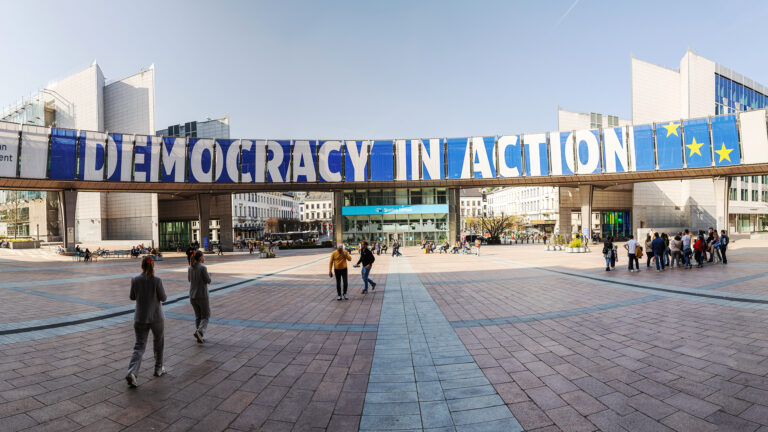
Photo: Shutterstock
Policy expert Maida Ćulahović and Programme director Tijana Cvjetićanin met with members of the European Parliament, the European Commission, as well as civil society organizations active in Brussels.
The meetings focused on EU policy developments related to online platform accountability, information integrity, disinformation and election-related digital risks, and their implications for the Western Balkans as EU candidate countries.
Particular attention was given to the European Democracy Shield, an initiative aimed at strengthening democratic resilience, protecting the information space and addressing risks linked to disinformation and foreign information manipulation and interference. Discussions also covered the role of online platforms and search engines in amplifying such risks, as well as the importance of Digital Services Act implementation for democratic safeguards.
During the visit, Ćulahović and Cvjetićanin met with Members of the European Parliament and advisors from several political groups, including the EPP, S&D and Greens/EFA. The meetings reflected growing recognition of the need to include candidate countries in European discussions on democracy protection, information integrity and digital governance, particularly in the context of the enlargement process.
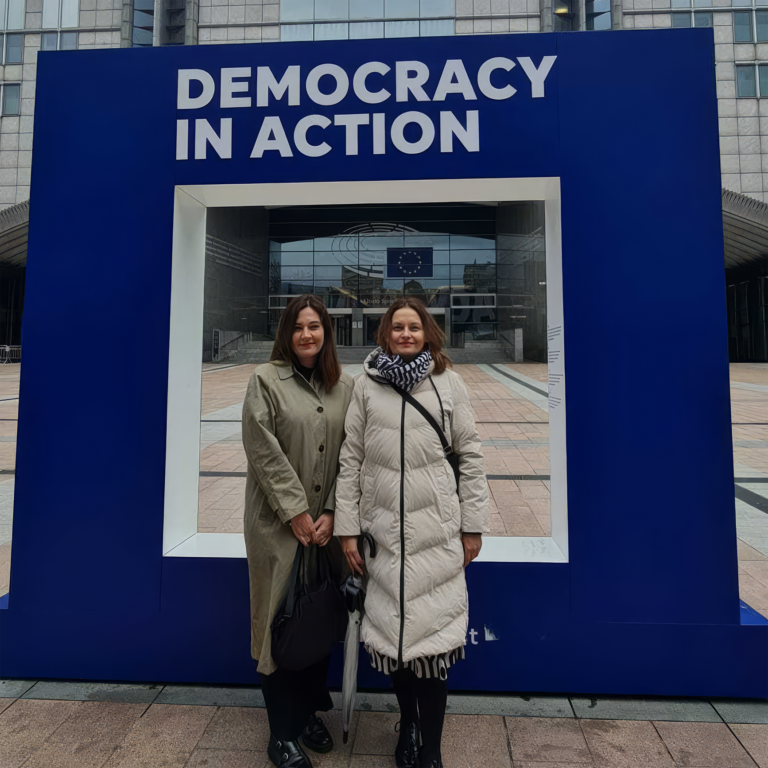
Photo: Zašto ne
A key focus was how candidate countries can strengthen institutional and operational preparedness in areas such as platform governance, election integrity and responses to coordinated disinformation campaigns, especially since many DSA mechanisms are currently not available outside the EU.
Zašto ne also met with European Commission representatives working on the Code of Conduct on Disinformation. The discussion addressed possible cooperation mechanisms, support models and regional approaches relevant to platform accountability and digital risks affecting democratic processes in the Western Balkans.
In addition, meetings were held with Brussels-based civil society organizations and policy actors working on democracy protection and information integrity. These exchanges provided an opportunity to discuss current EU policy developments and possibilities for continued cooperation and advocacy in Brussels.
The visit forms part of Zašto ne’s ongoing work on EU digital policy, Western Balkan alignment with European digital legislation and regional preparedness for future governance and accountability frameworks in the digital environment.