European Parliament adopts European Democracy Shield report
The European Parliament’s report on the European Democracy Shield calls for stronger EU action to protect elections, address foreign interference and strengthen resilience to threats in the digital information environment. It also gives significant attention to EU candidate and potential candidate countries, reflecting priorities advocated for by civil society organisations.
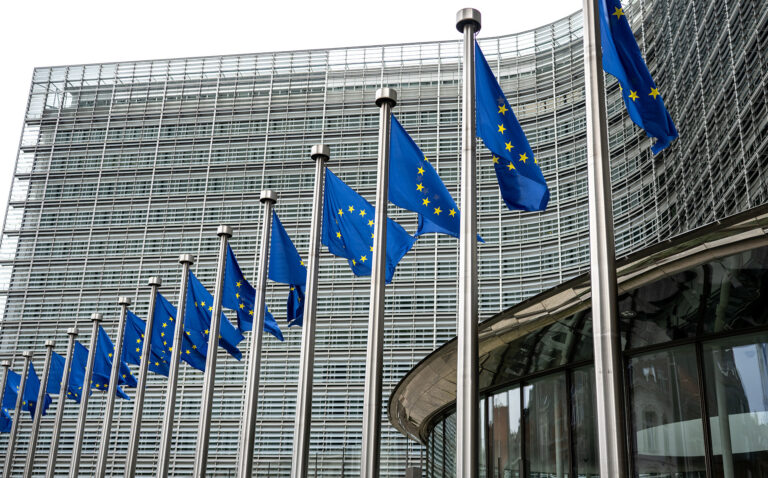
Photo: Envato
On 15 September, the European Parliament adopted the report on the findings and recommendations of its Special Committee on the European Democracy Shield. The report comes as the EU moves from defining the European Democracy Shield towards its implementation.
The Committee’s report presents Parliament’s position on how the Shield should be put into practice and how existing EU policies and cooperation mechanisms can be strengthened to better prevent and respond to threats to democratic processes.
The report covers a broad range of areas, including election integrity, foreign information manipulation and interference (FIMI) and hybrid threats, online platforms and artificial intelligence, as well as support for independent media, civil society and fact-checkers. It also looks at how the EU can improve coordination and preparedness and strengthen its capacity to respond to threats that increasingly operate across borders and policy areas.
Candidate countries gain a stronger place in the European Democracy Shield
Candidate and potential candidate countries feature prominently throughout the final report, with several provisions reflecting recommendations from amendments proposed by CA “Zašto ne” and other members of the civil society coordination group for the European Democracy Shield.
The report calls for a shift from ad hoc support towards more systematic and long-term cooperation, with candidate countries more closely connected to European structures dealing with digital governance, information integrity and democratic resilience. The Western Balkans is specifically recognised among the regions facing particular risk of FIMI and hybrid threats, with an emphasis on stronger and more sustained support for information and election integrity.
In the area of digital regulation, Parliament asks the European Commission to strengthen support for alignment with the Digital Services Act (DSA) and other key EU digital legislation, including through tools and guidance for implementation. It also advocates for the gradual integration of candidate countries into relevant EU enforcement and cooperation mechanisms, where appropriate.
The report extends its focus on information integrity to candidate countries, including efforts to demonetise disinformation. It also stresses that trends observed in candidate countries should receive particular attention in election-related work under the Code of Conduct on Disinformation. Civil society and fact-checkers from the region are also explicitly recognised, with the report calling on the European Commission to engage with civil society organisations working on digital alignment, information integrity, election integrity and democratic resilience, and to support fact-checking networks in candidate countries.
As the European Democracy Shield moves towards implementation, the report opens the way for candidate countries to become more systematically involved in European efforts to address cross-border threats and strengthen democratic resilience, while stressing that this should go hand in hand with their own commitment to democratic reforms, the rule of law and closer cooperation with the EU.
(Zašto ne)